Practical
Iceland entry requirements: Schengen, EES and ETIAS
Iceland is in Schengen, not the EU. Which document you need on a Spanish or Latin American passport, what…
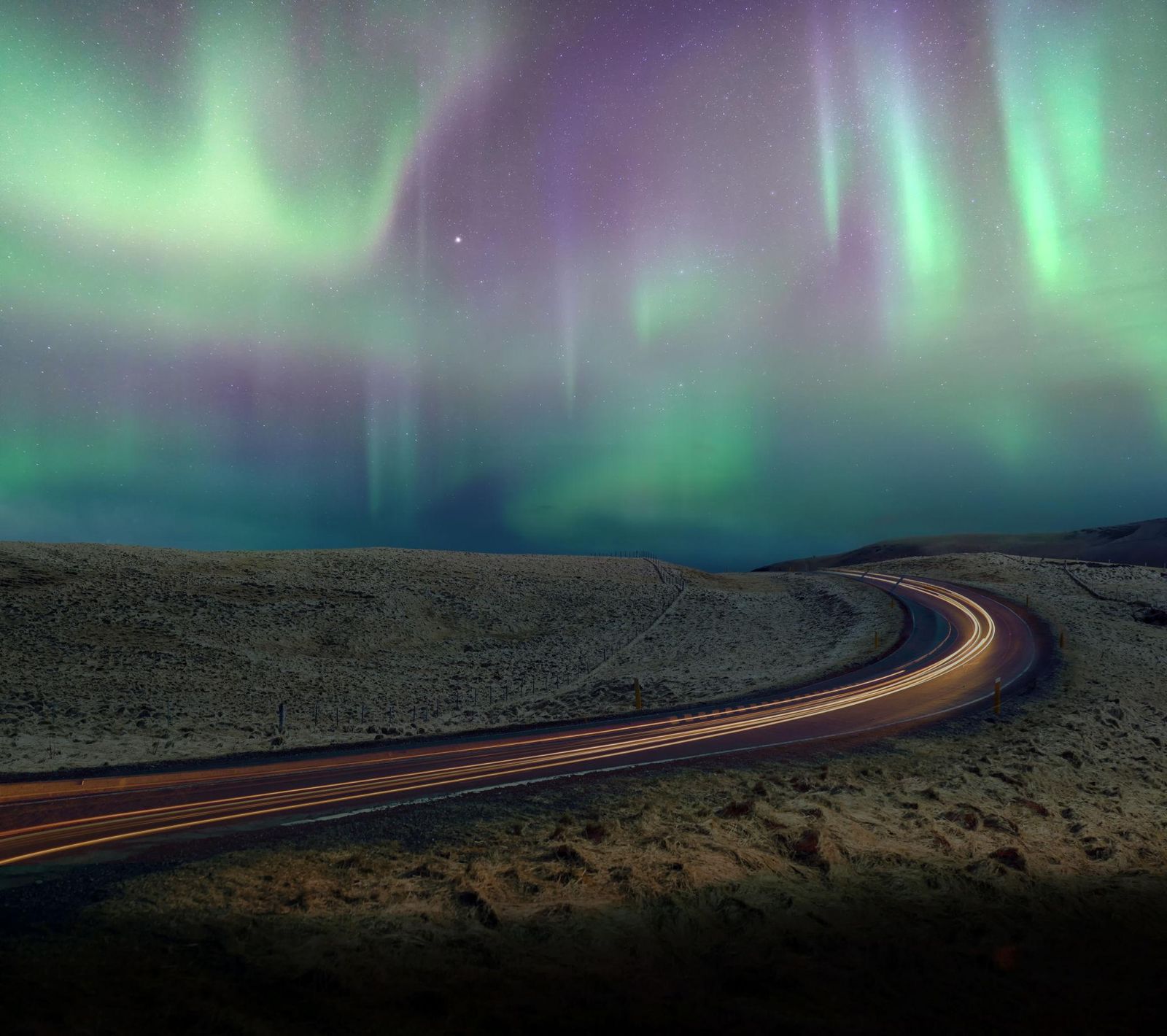
You can drive in Iceland in winter, but it is not like driving at home. Ice, wind, short days, road.is, and when you are better off not driving at all.
Driving in Iceland in winter is possible, but it takes experience on ice, planning every single morning, and accepting that some days you will not be going anywhere. Traffic is not the problem; there is barely any. The problem is black ice, very strong wind and four or five hours of daylight in December, all at once. If you have never driven on ice, this is what actually matters for the decision, without scaremongering and without playing it down.
As always, a disclaimer: we are a tour company. We have a stake in this answer, so we give you the full picture and you decide.
1. Black ice. A thin, clear layer on the tarmac that you cannot see. It shows up mostly early in the morning, at dusk, on bridges and on shaded stretches. The car gives no warning. It simply stops responding.
2. Wind. In Iceland, wind matters more than snow. Crosswind gusts can push a car out of its lane, especially on the South Coast, below mountains and on open stretches. In strong wind, always hold the door with both hands when you open it: wind damage to doors is not covered by standard insurance.
3. Short days. In December the sun rises around 11:00 and sets around 15:30 in Reykjavík. A four-hour leg almost certainly means driving in the dark on unlit roads.
4. Road closures. When the weather turns, stretches of Route 1 and mountain passes close, sometimes behind a physical gate. Driving past a closure gate is illegal, and if you get stuck, the rescue is done by volunteers putting themselves at risk for you.
| Website | What for | When |
|---|---|---|
| road.is | Status of every stretch: ice, snow, closed | Before you set off, and at every stop |
| vedur.is | Wind and yellow, orange or red warnings | The night before and in the morning |
| safetravel.is | Alerts and a registered travel plan | When planning, and if the weather shifts |
A simple rule: if there is an orange or red warning for your area, you do not drive. With yellow, it depends on the route and your experience. Watch the wind speed, not just the snow: from around 15 m/s in gusts, driving stops being pleasant; above 20 m/s it can be dangerous.
Honestly, skip winter driving if:
For the nights, our northern lights hunt from Reykjavík costs €99, you reserve without paying anything and pay 48 hours before, and the guide picks the route from the cloud cover. For the South Coast, the 3-day South Coast + Diamond Beach tour (€449, leaves every Friday morning, back Sunday night) reaches Jökulsárlón and Vestrahorn without you driving a single kilometre. And if you want the whole week sorted, the 7-day Icelandic Experience includes hotels, transfers and a guide.
In winter, any route, ours included, can change with the weather. The difference is who makes the call and who drives. For anything else, see the FAQ and our list of what to pack for Iceland in winter.
It can be if you have no experience with ice and wind. The main risk is not traffic but black ice, crosswind gusts, short days and road closures. Check road.is and vedur.is every morning.
Not for Route 1 or the South Coast, though it helps. What you really need is good winter tyres. The interior F-roads are closed in winter.
In December, around four to five hours in Reykjavík: sunrise near 11:00, sunset near 15:30. Days lengthen quickly through January and February.
On road.is, the official road administration site, which shows every stretch in real time. For wind and warnings use vedur.is, and for alerts safetravel.is.
Small groups, bilingual guides, free cancellation.
Iceland is in Schengen, not the EU. Which document you need on a Spanish or Latin American passport, what…
The famous blue one or the ritual by the sea. The real differences, what the volcanic activity on Reykjanes…
Ten days, a night in each region and all of Route 1: Golden Circle, glaciers, East Fjords, Mývatn, Akureyri and…
Tell us the dates and how many you are. Plan and price back today.