Culture
Traditional Icelandic Food: What to Actually Try
Lamb soup, skyr, the Icelandic hot dog and the infamous fermented shark.
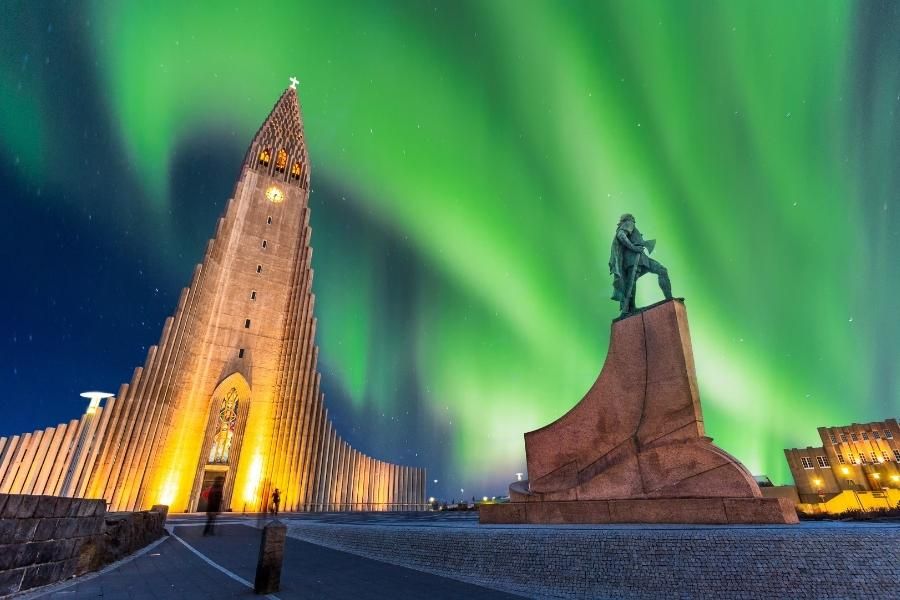
In Iceland you pay by card for almost everything, tipping is not expected, and a few simple habits stop you overpaying. What you actually need to know about money.
In Iceland you can pay by card for practically everything: coffee, parking, the toilet at a petrol station and the hot dog from the stand by the harbour. The currency is the Icelandic króna (ISK), but you can get through a whole trip without touching a banknote. Tipping is not required or expected: service is included in the price. And yes, everything is expensive, so it pays to know roughly what things cost before you land. One thing at a time.
Iceland does not use the euro. Its currency is the króna, shown as ISK or kr. As a rough guide, in recent years €1 has hovered around 140–150 krónur, but the rate moves: check the day's rate on the Central Bank of Iceland website (cb.is) or in your banking app before you travel.
A mental shortcut we give travellers: drop two zeros and divide by 1.5 to get euros. So 3,000 ISK is about €20. Not exact, but it stops the nasty surprises.
When you pay by card, the terminal or ATM sometimes asks whether you want to pay in euros (or your home currency) or in krónur. Always choose krónur (ISK). If you pick your home currency, the merchant does the conversion with a margin that is almost always worse than your bank's. It is called dynamic currency conversion, and over a whole trip it adds up.
Also check your card's foreign transaction fees. Some cards charge nothing; others take a percentage on every purchase.
Little or none. If you want some cash for peace of mind, take it from an ATM in Iceland rather than exchanging at home: it usually works out better. A small amount is plenty. It can come in handy at a market stall or a donation box, not much else.
Short answer: tipping is not an obligation. Prices in restaurants, bars and taxis already include service, and wages do not depend on tips the way they do in some countries.
That said, if someone looked after you particularly well, leaving something is appreciated and nobody will be offended. In restaurants, rounding up is more than enough. The same goes for guides: if you loved the day, a tip is a kind gesture, but never something expected of you.
Prices change and vary a lot by area; treat these as orders of magnitude, not a price list.
| Item | Approximate price |
|---|---|
| Coffee in a café | 600–900 ISK |
| Hot dog (pylsa) | 700–900 ISK |
| Lamb soup with bread | 2,500–3,500 ISK |
| Restaurant main course | 4,000–7,000 ISK |
| Beer in a bar | 1,500–2,000 ISK |
| Bottled water | Unnecessary: tap water is excellent |
For a full trip budget (flights, accommodation, transport), see our post on how much a trip to Iceland costs.
Our prices are in euros and you can see them all on all tours. Multi-day trips are booked with a 50% deposit; the terms are in the FAQ.
Hardly ever. Cards are accepted practically everywhere. If you want some cash, take a small amount from an ATM in Iceland.
It is not required or expected: service is included in prices. If someone looked after you very well, rounding up or leaving something is appreciated.
Always in krónur (ISK). If you choose your home currency, the merchant sets the exchange rate and it is usually worse than your bank's.
Yes, our prices are in euros. The aurora tour is reserved for free and paid 48 hours before; multi-day trips are booked with a 50% deposit.
Small groups, bilingual guides, free cancellation.
Lamb soup, skyr, the Icelandic hot dog and the infamous fermented shark.
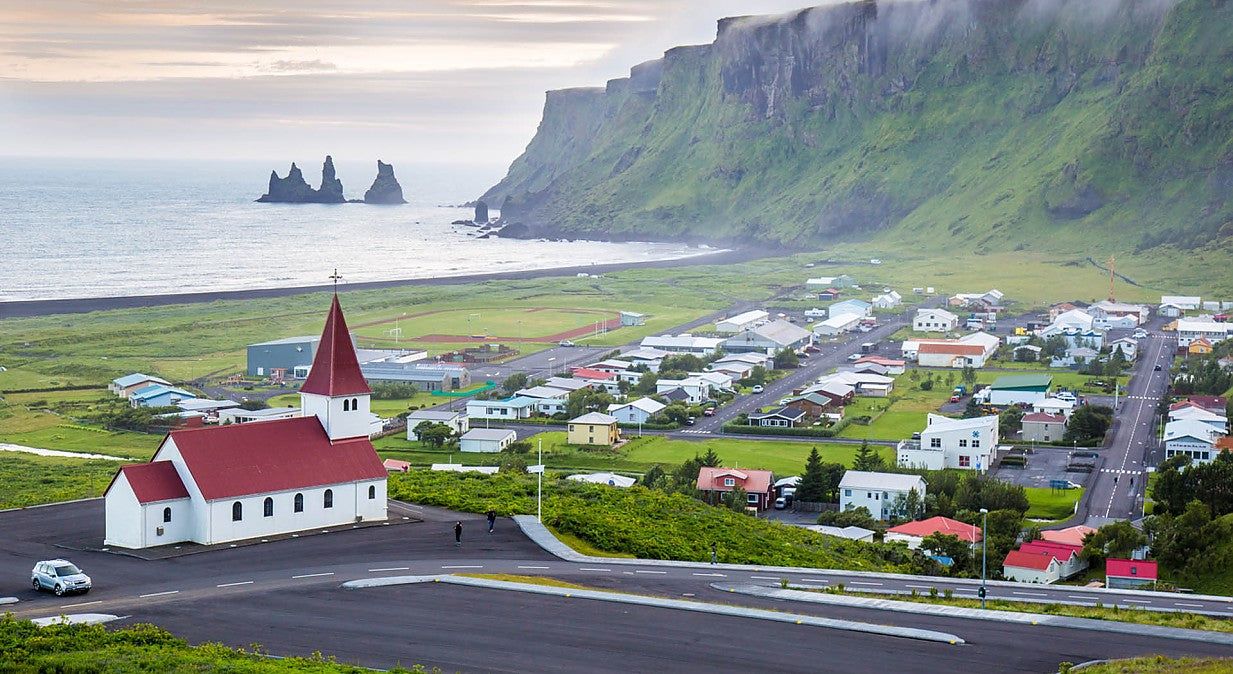
Reynisfjara, Dyrhólaey and Skógafoss: what is worth your time around Vík, how long to give it, and the one…
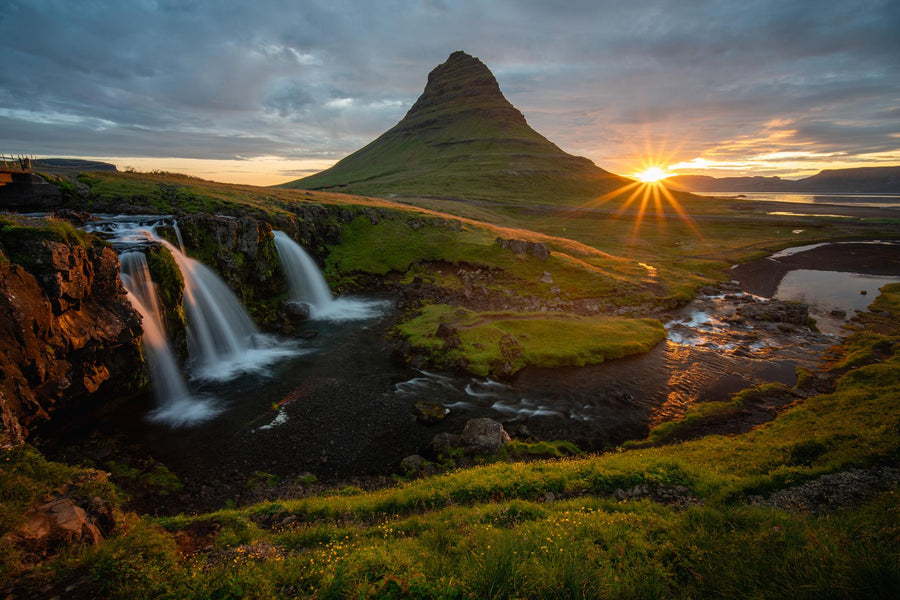
Fourteen days cover the full loop, the Westfjords and Snæfellsnes without rushing.
Tell us the dates and how many you are. Plan and price back today.